

A bathroom can look beautiful and still feel uncomfortable if the shower is too small, storage is limited, or fixtures are difficult to reach. Many homeowners focus on tile colors and finishes without considering how the room will function after the renovation.
Understanding common bathroom remodeling mistakes can help you make better decisions about layout, materials, lighting, and everyday comfort. This article goes over the planning problems homeowners should watch for and how to avoid them before construction begins.
Common Bathroom Remodeling Mistakes That Can Affect Your Renovation
Bathroom renovations involve several connected decisions, from fixture placement and plumbing to waterproofing and ventilation.
A small planning mistake can affect multiple parts of the finished room, especially when space is limited. Even a bathroom with expensive materials can be inconvenient if its layout doesn’t match the household’s needs.
The most successful bathroom renovations balance appearance, functionality, moisture protection, and long-term maintenance.
Taking time to understand how these elements work together can help homeowners avoid unnecessary changes during construction. It also makes it easier to prioritize improvements that meaningfully affect daily use.
Choosing Bathroom Fixtures Before Planning the Layout
One of the most common mistakes is choosing a vanity, bathtub, or shower enclosure before confirming it fits comfortably in the room.
A fixture may look perfect in a showroom but create problems once installed near doors, cabinets, or other bathroom features. Measurements alone don’t always show how much usable space will remain.
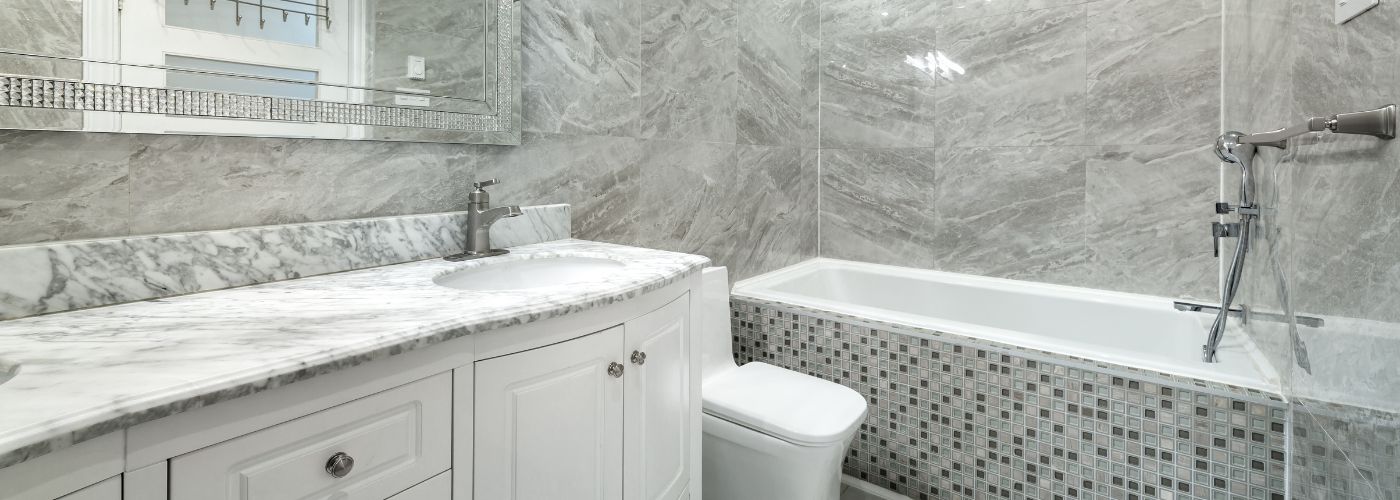
For example, a large vanity can reduce walking space or interfere with the bathroom door. A wider shower enclosure might leave insufficient clearance around the toilet. Before purchasing fixtures, consider their dimensions, how doors and drawers open, and how people will move through the room.
Plan a practical bathroom layout around movement and accessibility before selecting decorative features.
This approach helps establish realistic fixture sizes and reduces the likelihood of expensive design changes later.
Ignoring Proper Bathroom Ventilation
Bathrooms produce moisture during showers, baths, and other everyday activities. Without adequate ventilation, humid air can remain in the room and cause condensation on mirrors, walls, and ceilings.
Over time, persistent moisture may encourage mold growth or damage certain finishes.
Ventilation planning should account for the bathroom’s size, shower arrangement, and existing exhaust system.
An appropriately sized exhaust fan that vents outdoors can help remove humid air. Its placement, ducting, and operation all influence how effectively it performs.
Consider bathroom ventilation in the initial remodeling plan rather than as a finishing detail.
Homeowners should also check whether existing fans work properly before deciding to reuse them. A decorative bathroom renovation alone does not fix an underlying moisture problem.
Selecting the Wrong Flooring for Wet Areas
Bathroom floors experience frequent exposure to water, cleaning products, and changing humidity. Choosing flooring based only on color or appearance can lead to problems with traction, maintenance, or moisture resistance.
Not every material marketed for residential flooring suits every bathroom application.
Porcelain and ceramic tile are common choices because many products resist moisture well. However, the tile finish matters.
Highly polished surfaces can become slippery when wet, while certain textured finishes offer better traction. Grout selection and proper installation are also important.
Some luxury vinyl flooring products suit bathroom use, but installation requirements vary by manufacturer. Homeowners should confirm that the specific product is approved for the intended location and understand how water could affect the underlying floor.
The right bathroom flooring should provide suitable traction, moisture resistance, and manageable maintenance for everyday use.
It is also important to distinguish between a water-resistant surface and a complete waterproof flooring assembly.
Overlooking Waterproofing Behind Showers and Bathtubs
Tile, grout, and decorative shower finishes are visible parts of a bathroom, but the materials behind them are just as important. Water can penetrate certain joints and surfaces, so proper waterproofing is essential in wet areas.
A shower that looks professionally finished may still develop moisture problems if the underlying system wasn’t installed correctly.
Waterproofing methods depend on the shower design and materials you choose. Common approaches include approved waterproof membranes, properly constructed shower pans, and compatible installation products.
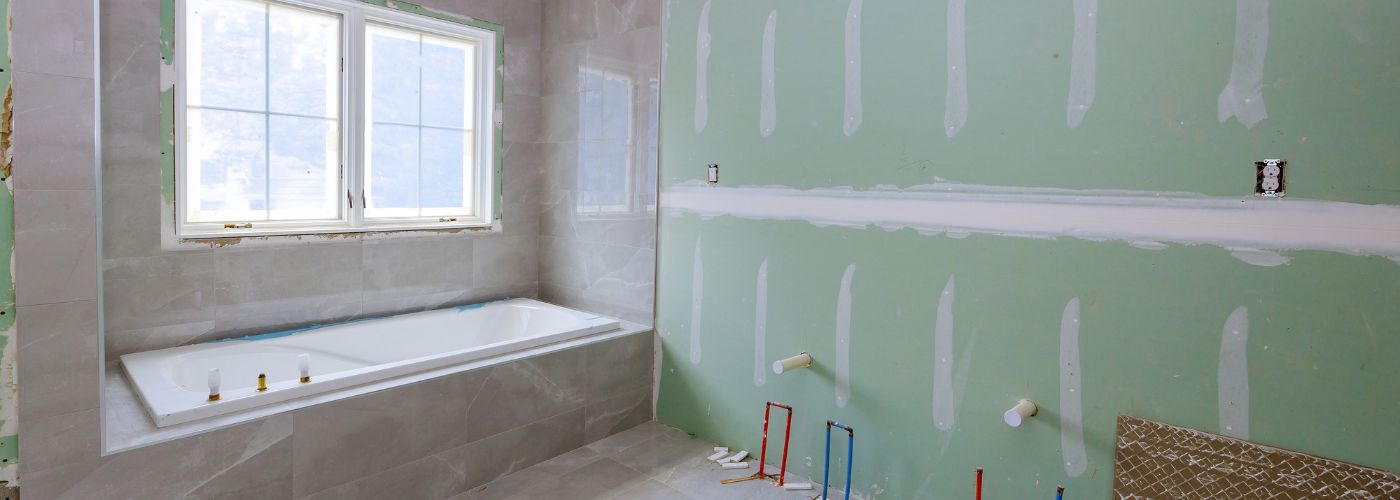
Corners, drains, niches, and plumbing penetrations require particular attention.
A durable shower depends on a properly designed waterproofing system, not just attractive tile and grout. Homeowners should understand how the proposed shower assembly will manage water before construction begins.
Repairs involving hidden moisture damage can be far more disruptive than addressing waterproofing during the original renovation.
Not Planning Enough Bathroom Storage
Limited storage can make even a newly renovated bathroom feel cluttered. Toiletries, towels, cleaning supplies, grooming products, and everyday essentials all need convenient places to live. When designers don’t consider storage, countertops often become crowded shortly after the renovation is completed.
Vanities with drawers, recessed medicine cabinets, wall-mounted shelving, and shower niches can help organize different items. However, the right storage arrangement depends on the room’s dimensions and the needs of the people using it.
A compact bathroom may benefit from vertical storage, while a larger space could accommodate additional cabinetry.
Design bathroom storage around what the household actually uses rather than simply maximizing the number of cabinets.
Consider which items need to remain accessible and which can be stored out of sight. This creates a cleaner look without sacrificing convenience.
Using Only One Type of Bathroom Lighting
Bathroom lighting affects more than the room’s appearance. Poorly positioned fixtures can create shadows around mirrors, make grooming difficult, and leave showers or storage areas inadequately illuminated. A single ceiling fixture may not provide suitable light for every activity.
Layered lighting can include general illumination, mirror lighting, and appropriately rated fixtures for wet or damp locations.
Vanity lighting should provide useful visibility without excessive glare. Color temperature and brightness also influence how finishes and skin tones appear.
Good bathroom lighting should support everyday activities while creating a comfortable atmosphere throughout the space.
Planning electrical locations before installing tile, cabinetry, and mirrors can also reduce the need for later modifications.
Choosing Bathroom Materials Based Only on Appearance
Bathroom showrooms and design galleries offer countless options for countertops, wall tile, flooring, and fixtures. However, a material that looks impressive in a photograph may require more maintenance than expected.
Surface texture, porosity, cleaning needs, and moisture exposure should all influence the decision.
For example, certain natural stone surfaces require specific cleaning products and periodic maintenance.
Some decorative finishes show water spots more easily than others. Small mosaic tiles can create detailed patterns but also introduce additional grout joints that require cleaning.
When possible, homeowners should compare materials in person and review their intended applications. Ask how each finish responds to routine cleaning, moisture, and everyday contact.
The best bathroom materials combine the desired appearance with maintenance requirements that fit the homeowner’s routine.
Choosing products for their practical characteristics can help the room stay attractive and comfortable after the initial renovation excitement fades.
Forgetting About Plumbing and Electrical Locations
Moving a shower, toilet, or vanity can significantly change the scope of a bathroom renovation.
Relocating fixtures may require modifications to supply lines, drainage, venting, electrical circuits, and surrounding construction. Evaluate these changes before finalizing the layout.
Keeping fixtures in their existing locations can simplify a renovation, but it isn’t always the best design decision. A different arrangement may improve movement, storage, or accessibility. The key question is whether the benefits justify the added work.
Evaluate plumbing and electrical requirements alongside the proposed bathroom layout before ordering materials. This helps homeowners understand the practical implications of moving fixtures and reduces surprises once walls or floors are opened.
For renovations involving several connected rooms, coordinating the work through a broader home remodeling plan can also help align construction requirements and material selections.
Underestimating the Importance of Bathroom Door Clearance
Bathroom doors can create unexpected layout problems, particularly in smaller rooms. An inward-swinging door may interfere with a vanity, towel storage, or another fixture.
Cabinet drawers and shower doors can also conflict with nearby surfaces if you don’t consider their movement during planning.
Evaluate door clearance using the actual dimensions of the proposed fixtures. Homeowners may also want to consider whether a different door arrangement would improve access.
Any change should account for available wall space, privacy, accessibility, and applicable construction requirements.
Every bathroom fixture and door should have enough clearance to operate comfortably without blocking another part of the room.
Reviewing these details on a floor plan can reveal problems that may not be obvious when looking at individual product measurements.
Not Establishing a Realistic Bathroom Remodeling Budget
A bathroom remodeling budget should account for more than the visible fixtures and finishes.
Demolition, plumbing adjustments, electrical work, waterproofing, surface preparation, installation materials, and labor can all influence the overall cost. The condition of the existing bathroom may also affect how much work is required.
Older bathrooms can hide problems that aren’t visible before demolition. Damaged substrates, deteriorated plumbing connections, or previous moisture intrusion may require additional attention.
These possibilities don’t mean every project will face major problems, but they are worth considering when planning finances.
A realistic renovation budget should cover the full scope of work and include an allowance for unexpected conditions.
Prioritizing essential improvements before decorative upgrades can also help homeowners make decisions when costs need to be adjusted.
How to Prepare for a Bathroom Renovation
Preparation begins by identifying what doesn’t work in the current bathroom. Consider whether the main concerns involve storage, limited space, poor lighting, outdated finishes, moisture problems, or uncomfortable fixtures.
Understanding these issues helps you set priorities. It also helps to collect design references, measure the room, and identify which existing features you want to keep.
Homeowners should discuss material preferences, budget expectations, and potential construction requirements before committing to a final design.
A well-prepared bathroom renovation starts with clear priorities, realistic expectations, and an understanding of the existing space.
These details help guide decisions throughout the project and make it easier to distinguish essential improvements from optional upgrades.
For homeowners considering changes beyond the bathroom, reviewing available kitchen layout and design options can also help plan related interior improvements, especially when multiple rooms are updated as part of the same project.
Let's Bring Your Ideas to Life
Planning a Home Remodeling Project?
Inspired to make a change? Pacific Experts is here to help you explore your options and take the next step toward transforming your Las Vegas home.